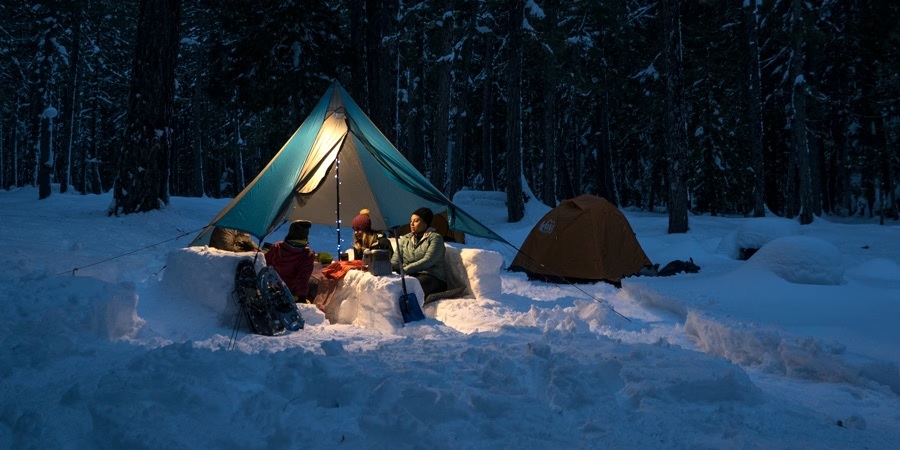

The Timeless Allure of Camping: Embracing the Wild in a Modern World
Camping, in its purest form, is an invitation to reconnect with the natural world—a simple yet profound return to the earth’s elemental rhythms. In an age dominated by technology, bustling cities, and the constant hum of modern life, the act of camping provides a much-needed antidote. It is, in essence, a temporary escape from the distractions of our daily existence, offering a chance to slow down, breathe deeply, and embrace the rugged beauty of the wilderness. Whether it’s pitching a tent beside a tranquil lake, hiking through dense forests, or sleeping beneath a canopy of stars, camping offers an unparalleled sense of freedom and tranquility. Yet, beyond the scenic vistas and fresh air, camping holds deeper, more transformative qualities. It is an experience that teaches self-sufficiency, nurtures a profound respect for nature, and fosters a sense of community among those who venture into the great outdoors.
One of the primary reasons camping holds such a timeless allure is its simplicity. In a world increasingly defined by convenience, where smartphones and social media are ever-present, camping forces us to detach from the digital realm and reconnect with the basics. There are no distractions in a tent pitched by the side of a river, no glowing screens to absorb our attention, only the sounds of rustling leaves, the crackling of a campfire, and the whisper of wind through the trees. The absence of modern conveniences makes the experience both humbling and grounding, pushing us to embrace the essentials of survival and self-care.
There is something undeniably liberating about stepping away from the comfort of home and immersing oneself in the rawness of nature. For many, camping represents a return to the primitive, to a time before the complexities of modern life overtook the simplicity of survival. The act of setting up a campsite, gathering firewood, cooking over an open flame, and navigating the wilderness with nothing more than a map and compass fosters a sense of independence and accomplishment. These acts, though simple in nature, require an attentiveness to the environment and a willingness to adapt to the unpredictable elements of the outdoors.
Moreover, camping offers a unique opportunity to experience the world through a different lens. Instead of viewing nature from the comfort of a vehicle or a building, camping immerses us in it. We become participants in the ecosystem, rather than mere observers. The sounds of the forest become our lullaby, the coolness of the night air our blanket. For many, this immersion into the natural world leads to a deeper sense of connection with the environment, fostering an appreciation for the delicate balance of life that sustains us all.
It’s easy to forget, in our daily lives, just how dependent we are on the earth’s resources. Camping forces us to remember that our existence is intricately linked to the land around us. Whether it’s gathering fresh water from a stream, filtering it for purity, or using the forest’s resources to build shelter, camping encourages a level of mindfulness and respect for the environment that is often lost in the shuffle of urban living. This heightened awareness of nature’s fragility and beauty can spark a deeper commitment to environmental conservation long after the camping trip is over.
Camping also brings with it an opportunity for physical and mental rejuvenation. The very act of being outside, surrounded by nature, has been proven to reduce stress and anxiety. The fresh air, the physical exertion of hiking or setting up camp, and the peaceful solitude of nature work together to refresh the body and mind. Research has shown that time spent in natural environments can lower blood pressure, improve mood, and boost cognitive function. In a world where many people spend most of their days in front of a computer screen or in crowded spaces, camping offers an invaluable opportunity to recalibrate and recharge. It allows us to disconnect from the noise and chaos of the digital age, finding solace in the simplicity of nature’s rhythms.
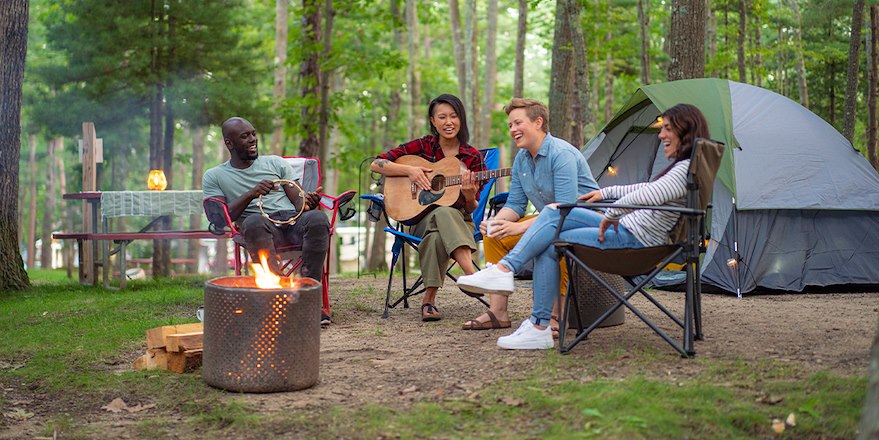
Beyond its individual benefits, camping also has the power to foster a sense of community. Whether it’s a family gathering around the campfire, friends sharing stories beneath a starlit sky, or strangers working together to set up a campsite, camping has a way of bringing people together in a meaningful way. There is something inherently communal about the experience of camping. The shared responsibilities—cooking meals, setting up tents, and navigating the wilderness—create bonds that are often deeper and more authentic than those formed in more conventional settings. The vulnerability of camping, where comfort is limited and survival is contingent upon cooperation, fosters a spirit of camaraderie that is hard to replicate in other environments.
For families, camping offers an invaluable opportunity to bond without the distractions of daily life. It is an experience that allows parents and children to reconnect in a way that doesn’t happen during the usual rush of school schedules, extracurricular activities, and work commitments. The shared moments of building a fire, hiking to a scenic overlook, or simply sitting around the campfire, roasting marshmallows, and telling stories, create lasting memories that deepen family relationships. For children, camping can also be an important lesson in self-reliance, teamwork, and appreciation for the outdoors. It is an experience that teaches them essential life skills while simultaneously instilling a sense of wonder and curiosity about the natural world.
For those who prefer a more solitary experience, camping offers the chance for introspection and personal growth. The quietude of the wilderness provides an ideal environment for reflection, allowing individuals to reconnect with their inner selves. It is often in these moments of solitude, away from the distractions of modern life, that we find clarity and insight. Camping allows us to step back from the hustle and bustle of the world and take stock of our lives, our goals, and our relationships. It provides the space to reset, to be present, and to find peace in the natural world.
Of course, camping is not without its challenges. Weather, insects, and other natural elements can test one’s patience and resolve. But it is these very challenges that often make the experience all the more rewarding. Overcoming the hurdles that nature throws our way—whether it’s building a shelter in the rain or cooking a meal over an open flame—fosters a sense of accomplishment and resilience. These challenges are integral to the camping experience, reminding us that true growth often comes from stepping outside of our comfort zones and confronting the elements head-on.
In conclusion, camping is much more than just an outdoor activity; it is a timeless practice that connects us to the earth, fosters personal growth, and strengthens relationships. It is a celebration of simplicity, an opportunity to disconnect from the digital world, and a chance to rediscover the joys of being present in nature. Whether it’s a weekend getaway or an extended wilderness expedition, camping offers the chance to embrace adventure, challenge, and serenity all at once. In a world that often feels disconnected from the natural rhythms of life, camping remains a powerful reminder of the beauty and peace that can be found when we take the time to reconnect with the wild.