

What Hotels and Resorts Need to Know Before Offering Laser Treatments
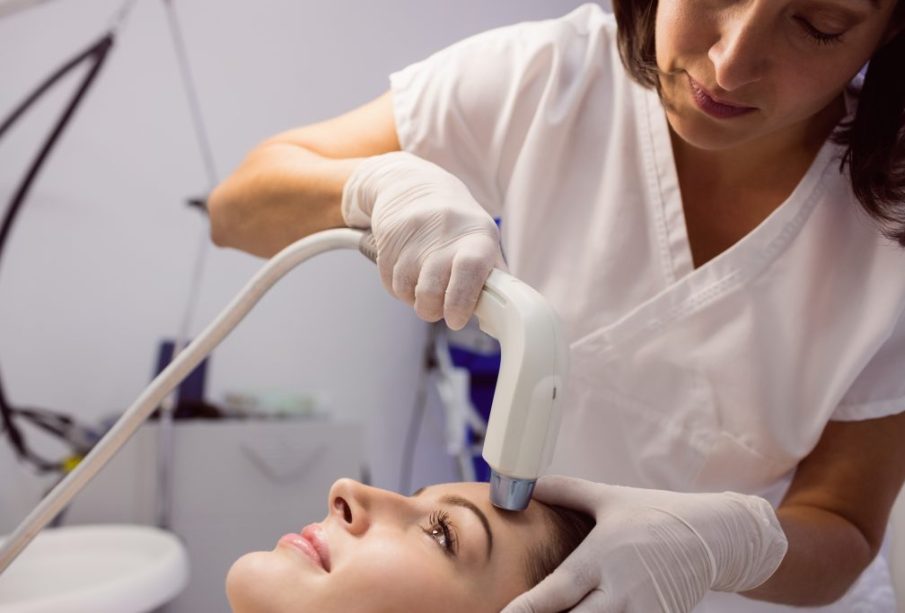
Adding medical-grade laser treatments to a hotel or resort spa brings responsibilities that extend well beyond selecting a vendor and purchasing equipment. Even when an outside provider handles the treatments, the venue still has to consider operator credentials, safety protocols, regulatory compliance, and what happens if a guest is injured.
Hotel and resort spas have been expanding beyond massages and facials for a while now. Industry watchers point to medicalized menus (IV drips, body contouring, laser skin treatments) becoming a routine part of the wellness mix. The device is the easy part to buy. The operational layer around it is where venues get caught out.
Before the Device Arrives, Decide On An Operator
The first question isn’t about equipment; it’s about who holds the medical license the treatment runs under. Aesthetic laser procedures count as the practice of medicine in most jurisdictions, which means the business structure, the supervising physician, and the scope of practice for whoever presses the button all have to line up before a single guest is booked.
Operator credentials belong in that same early conversation, and programs like online laser safety certification exist to document training against ANSI-based expectations before a device is ever switched on.
Hotels tend to improvise here, usually by partnering with an outside med spa operator and assuming the clinical responsibility travels with them. It doesn’t always travel cleanly. The corporate practice rules that govern who can own and supervise an aesthetic practice vary by state, and a management services agreement does not automatically shield the venue from being pulled into a complaint.
The Day the Equipment Rolls In, Treat It Like a Commissioning
A rented or vendor-supplied laser is not a plug-and-play appliance. Someone on the facility side has to confirm it meets the standards the venue’s insurance and regulators will later ask about, rather than taking the vendor’s word for it. That same walk-through is the moment to re-verify that whoever will operate the device still holds current credentials matched to the device class, and that the paperwork proving it sits on file in the venue, not just with the vendor.
During Treatment, the Venue Is Still On the Hook
Federal device approval covers the manufacturer and the hardware, not the person operating it. A published case report describes a guest suffering a retinal burn from a handheld Nd:YAG laser during a med spa skin resurfacing treatment with no eye protection provided. That kind of incident follows the venue, not just the clinician holding the device.
Training is the single most portable control a venue can insist on. Front-desk staff need to know what the warning sign on the door means and when not to open it. Operators need current, documented laser safety training tied to the device class they are using, and designated safety officers need to meet the same expectations auditors and insurers will later ask to see.
After the Guest Leaves, the Paper Trail Is the Asset
If a complication surfaces a week later, the venue’s defense is whatever it can produce in writing. Consent forms specific to the device and wavelength. The operator’s training records. The room’s safety checklist for that day. Service logs for the machine. Incident reports for anything that went off-plan, including near misses nobody was hurt by.
None of this is bureaucratic overhead. It’s the difference between an insurer defending the claim and an insurer walking away from it. A guest-facing laser is a meaningful addition to a spa menu, and it’s also a medical device sitting inside a hospitality operation. The venue that treats it as anything less is the one that finds out the hard way.