
Solo Travel 101: Everything You Need to Know Before Your First Trip
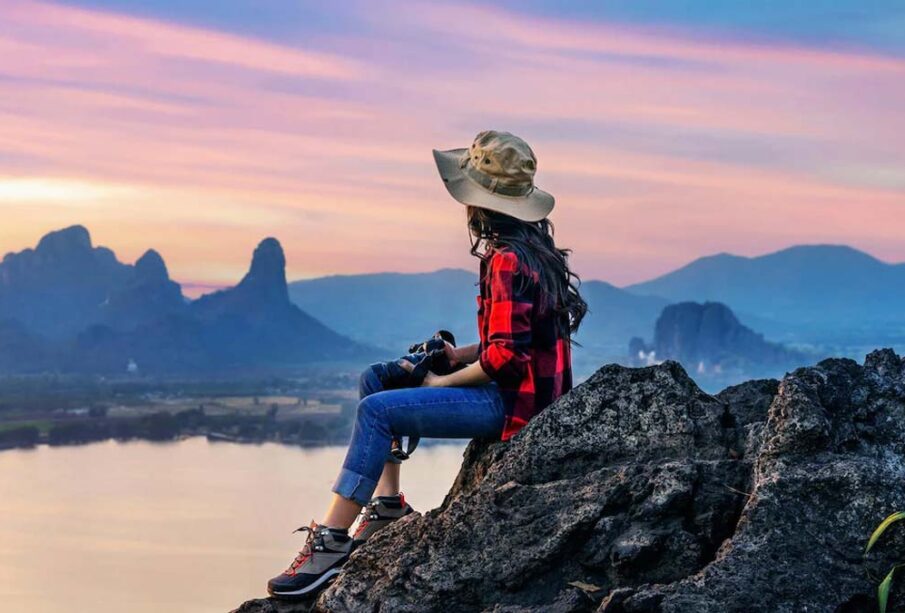
Embarking on a solo journey for the first time is a profound milestone. It is an experience that transitions you from a passive tourist to an active explorer of both the world and your own capabilities. Without the safety net or compromises of a travel companion, solo travel forces you to make every decision, solve every logistical hiccup, and fully own your itinerary.
While the prospect of arriving in a foreign land completely on your own can feel intimidating, the reality is that millions of people successfully travel alone every year. The key to a triumphant first solo trip does not lie in a lack of fear, but rather in thorough preparation, realistic expectations, and smart safety practices. This comprehensive guide breaks down everything you need to know to transform your initial anxiety into complete confidence.
Selecting Your First Solo Destination
The success of your inaugural solo trip often hinges on choosing a location that matches your comfort level and travel experience. For your first venture, it is wise to select a destination that offers a gentle learning curve rather than total cultural shock.
-
Language and Communication: If you are nervous about navigating a new country alone, consider a destination where your native language is widely spoken or where English is the primary language of tourism. This removes a massive layer of daily stress when reading signs, ordering food, or asking for directions.
-
Tourism Infrastructure: Highly developed tourist hubs are generally easier to navigate independently. Look for destinations known for reliable public transportation, well-marked streets, high-speed internet availability, and prominent tourist information centers.
-
Safety Records: Research global safety indexes to identify countries or cities with low violent crime rates and positive reputations for welcoming solo travelers. Destinations in Western Europe, Southeast Asia, and parts of Oceania are frequently recommended as excellent entry points for beginners.
Mastering the Logistics of Solo Travel
When traveling alone, you are the chief executive officer, navigator, and financial planner of your trip. Managing your logistics with precision ensures that minor setbacks do not turn into major crises.
Smart Accommodation Strategies
Where you choose to sleep sets the tone for your daily experience. For solo travelers, social infrastructure is just as important as physical amenities. High-quality hostels are not just for budget travelers; many modern boutique hostels offer upscale private rooms alongside communal lounges and organized walking tours. This setup gives you the privacy you want with the built-in social opportunities you need to meet fellow travelers.
If you prefer hotels or short-term rentals, prioritize locations in central, well-lit neighborhoods near public transit stations. Avoid saving a few dollars on an isolated accommodation far from the city center, as walking back through unfamiliar, dark neighborhoods late at night can compromise your peace of mind and personal safety.
Finely Tuned Packing Habits
The golden rule of solo travel is simple: if you cannot lift, carry, and sprint with your luggage for three blocks entirely by yourself, you have packed too much. You will not have a companion to watch your bags while you use the restroom or buy a train ticket, meaning your luggage must remain attached to your body during transit.
Opt for a high-quality travel backpack or a compact carry-on suitcase with durable wheels. Keep your hands free by utilizing a small crossbody bag or money belt for your immediate essentials, such as your passport, phone, and local currency.
Safety Guidelines for the Solo Explorer
Personal safety is often the biggest concern for first-time solo travelers. By maintaining situational awareness and establishing a few security habits, you can dramatically minimize your vulnerability to common travel scams and risks.
Establish a Digital Lifeline
Before leaving your home country, share your complete itinerary with at least two trusted family members or friends. Include your flight numbers, hotel names, addresses, and tentative daily plans.
Set up a consistent check-in schedule, such as a quick text message when you return to your room each night. Additionally, utilize location-sharing applications on your smartphone so someone always knows your approximate geographic coordinates in real-time.
Secure Your Vital Information and Funds
Never keep all your financial assets and identification in one place. Divide your cash, credit cards, and backup documents into separate locations. Keep your primary credit card and passport on your person, leave a backup card and emergency cash locked in your hotel room safe, and store digital copies of your passport, visas, and insurance policies in a secure cloud storage account.
Project Confidence and Blend In
Pickpockets and scam artists target individuals who appear vulnerable, confused, or distracted. When navigating public spaces, walk with a clear purpose and keep your head up. If you need to check your digital map or look up directions, step inside a café, hotel lobby, or retail store to do so safely rather than standing exposed on a busy sidewalk corner with your face buried in your phone.
Cultivating a Social Life on the Road
Traveling alone does not mean you have to be lonely. In fact, solo travelers are often far more approachable to locals and other tourists than couples or large groups.
-
Book Small-Group Walking Tours: Joining a free or paid walking tour on your first day in a new city is a fantastic way to learn local history, orient yourself geographically, and converse with other travelers.
-
Leverage Digital Communities: Utilize travel apps and social platforms designed to connect independent travelers. Many platforms feature local event boards, language exchange meetups, and neighborhood dining groups.
-
Dine at the Counter: Instead of sitting at an isolated table for two in a restaurant, choose to eat at the bar or communal kitchen counters. This positioning naturally facilitates casual conversations with bartenders, chefs, and fellow diners.
Frequently Asked Questions
How do you handle the solo supplement fee often charged by tour companies?
The solo supplement is a premium added by cruise lines and traditional tour operators to compensate for the fact that a single traveler is occupying a room designed for two people. To avoid this cost, look for modern, solo-friendly travel companies that explicitly wave this fee. Alternatively, you can opt for companies that offer a roommate-matching service, allowing you to share a twin room with another independent traveler of the same gender.
What should you do if you experience a medical emergency while alone?
Before you depart, purchase comprehensive international travel medical insurance that covers emergency medical evacuation. Always carry a physical card with your insurance policy number and the company’s 24-hour emergency hotline in your wallet. If you become severely ill, contact your accommodation management immediately; hotel staff and hostel hosts are trained to contact trusted local physicians or direct you to the nearest reputable international hospital.
Is it rude to eat alone at sit-down restaurants in foreign countries?
Not at all. Dining alone is a completely standard practice around the world. If you feel self-conscious sitting alone at a table, try dining slightly earlier or later than peak local restaurant hours to experience a more relaxed service pace, or bring along a journal or a physical book to occupy your attention while waiting for your meal to arrive.
How do you capture high-quality photos of yourself when traveling solo?
Avoid relying on obvious extendable selfie sticks, which can label you as a target for scams. Instead, invest in a compact, flexible lightweight tripod that can securely wrap around railings or sit on flat surfaces, and utilize your smartphone’s built-in Bluetooth shutter remote or timer function. Alternatively, look for fellow travelers who are also trying to take photos of themselves and offer to exchange photography favors.
What is the best way to handle your luggage during layovers or before hotel check-in?
If you arrive at a destination several hours before your room is ready for check-in, almost all hotels and established hostels will gladly store your bags in a locked luggage room for free or a nominal fee. During day long layovers in transit cities, utilize official luggage lockers or secure bag-storage services located inside major train stations and airport terminals.
How can a solo traveler manage extreme homesickness or sudden anxiety?
Feeling overwhelmed or lonely at some point during a long solo trip is completely normal. If homesickness hits, do not force yourself to sightsee. Give yourself permission to take a rest day in your room, watch a familiar movie, or call a close friend back home. Often, simply resting and recharging your mental batteries for twenty-four hours is all it takes to restore your excitement for exploration.