

Smart Ground Protection Tips for a Better Camping Experience
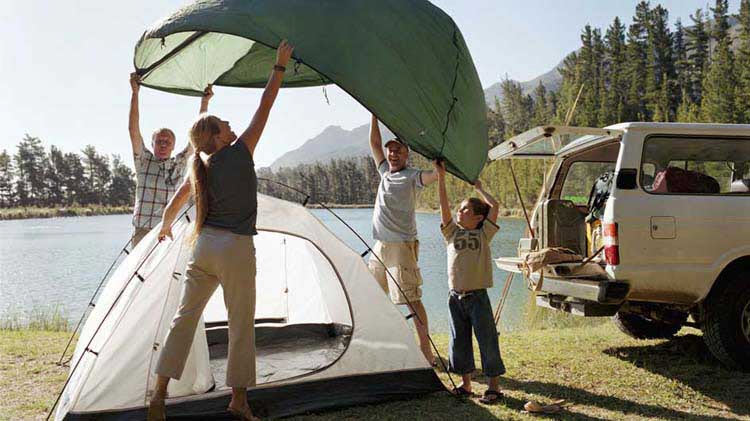
When you think about comfort at camp, start from the ground up. A smart footing plan keeps tents dry, pads clean, and pathways safe for every step. With a few simple habits, you protect your gear, preserve the site, and make breaking camp faster for everyone.
Pick the Right Spot
Begin by reading the land. Choose durable ground—packed soil, gravel, or established pads—and avoid fragile vegetation, root systems, and cryptobiotic crusts. Check for gentle drainage by noting where rain would travel, then pitch slightly high, never in hollows. Brush away sharp sticks and stones with a hand broom to prevent punctures.
Before staking, lay out the tent footprint flat and taut so it won’t wrinkle or pool water. Orient doors away from the prevailing wind to reduce grit blowing inside. Keep clear of deadfall zones and never widen an existing pad; staying compact preserves the site for the next group.
Build a Clean, Stable Base
Think in layers. A groundsheet cut slightly smaller than your tent footprint stops edge pooling and protects seams. If the site is sloped, form a thin line of duff upslope to slow runoff without digging channels. Inside, use a thin closed-cell pad beneath air mattresses; this reduces abrasion and spreads weight so floors last longer.
Keep entry mats at each door and enforce a shoes-off rule to limit grit that acts like sandpaper. Sweep nightly; small debris becomes mud under morning condensation. Store heavy items on a square of sacrificial tarp so shifting loads don’t grind grit into the floor.
Keep Moisture and Mud at Bay
Moisture control is half planning, half airflow. Vent rainflies even in light storms to move humid air outward and keep interior fabric dry to the touch. Shake water from tarps before packing so damp gear doesn’t bleed moisture into the floor. Hang wet layers outside the sleeping zone; evaporative cooling under quilts steals warmth.
Carry a small repair kit—seam tape, alcohol wipes, and patches—to seal pinholes the same day they appear. After muddy treks, set up a quick wash station with a bucket, a tiny brush, and a drip mat so boots dry before they touch fabric.
Protect Trails and Shared Areas
Campsites work best when everyone follows the same smart paths. Define travel lanes with cord, soft cones, or stakes so feet avoid sensitive ground and guy lines. Place stepping stones at slick entries, and add one low-profile mat at the cook area to stop tracked grease and crumbs. For vehicle access or repeated foot traffic over soft soil, composite mats spread pressure and curb rutting across shared ground.
Conclusion
Good ground habits make camping cleaner, safer, and kinder to the land. Choose durable surfaces, manage layers, control moisture, and guide traffic so the site looks better when you leave than when you arrived.